
Introduction
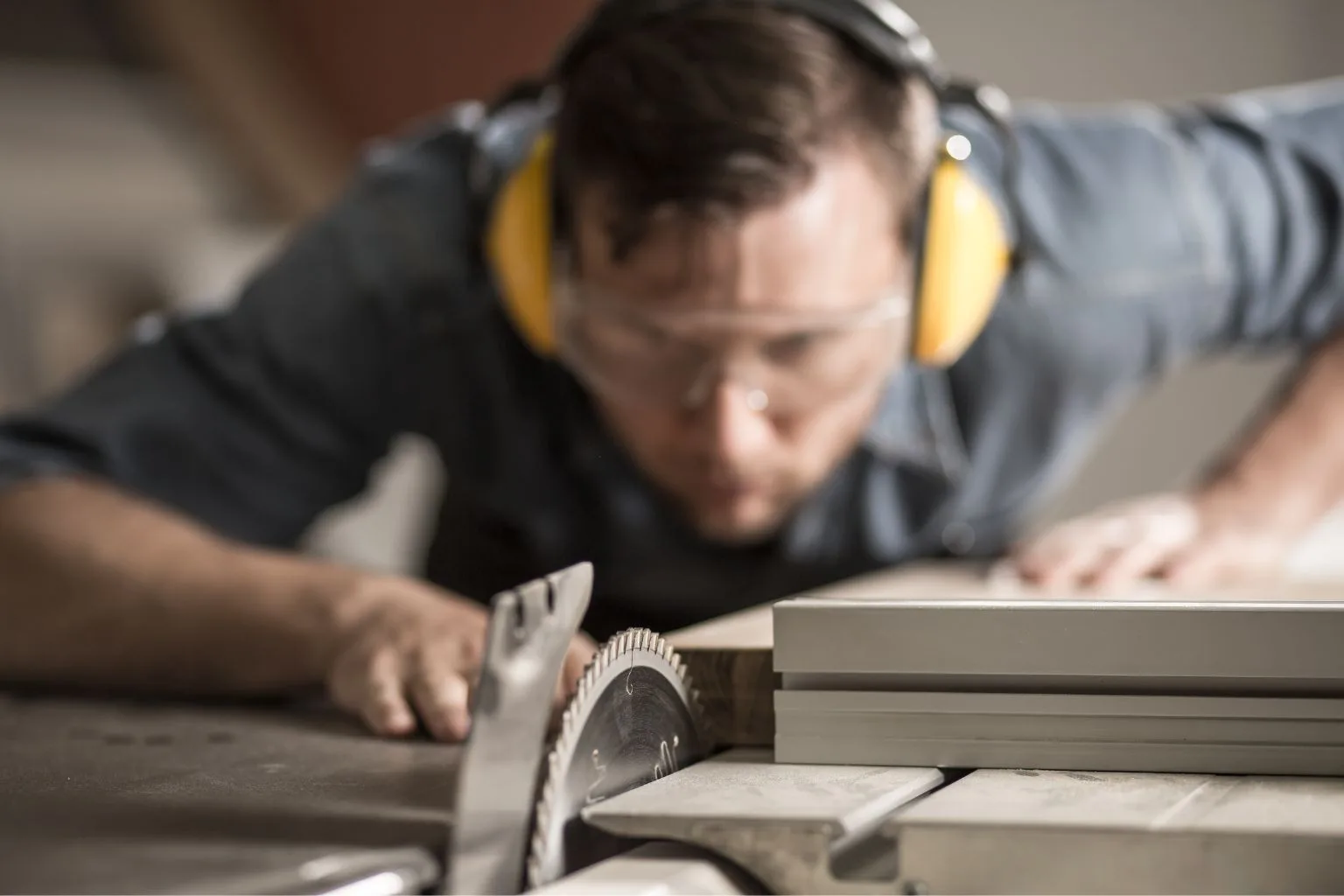
A table saw is one of the most essential tools in any woodworking shop, whether you’re a beginner or an experienced craftsman. It offers precision, efficiency, and versatility in cutting wood and other materials, making it an indispensable investment for any DIYer or professional woodworker. In this guide, we’ll break down the different types of table saws, their features, safety considerations, and how to pick the best one for your projects.
1. Why Buy a Table Saw?
A table saw is the centerpiece of most woodworking workshops due to its unmatched versatility and precision. Whether you’re building furniture, cabinetry, or DIY home projects, this tool allows you to make accurate rip cuts, crosscuts, bevels, and dado cuts with ease. Here’s why every woodworker should consider investing in a table saw:
Advantages of a Table Saw
- Precision and Accuracy – Table saws allow for consistent, straight cuts, crucial for furniture making and joinery.
- Efficiency – Cuts that would take minutes with a handheld saw take seconds with a table saw.
- Versatility – Suitable for rip cuts, crosscuts, bevel cuts, and dado grooves.
- Repeatability – Ideal for making multiple identical cuts, saving time and effort.
- Scalability – Works well for large projects requiring multiple precise cuts.
Safety Considerations
While table saws are incredibly powerful, they also pose serious safety risks if not used correctly. Here are key safety concerns and precautions:
- Kickback – Occurs when wood binds against the blade, throwing it back toward the user. A riving knife or splitter helps prevent this.
- Blade Exposure – The sharp, fast-spinning blade can cause severe injuries. Always use a blade guard and push sticks when making cuts.
- Hand Placement – Keep hands away from the blade and use push blocks for small pieces.
- Proper Dust Collection – Fine dust from cutting can be hazardous; connect a dust extraction system to your saw.
Why Is the Table Saw the Most Useful Tool in the Shop?
A table saw is often the first major power tool woodworkers purchase because it acts as the foundation of a workshop. With the right blades, sleds, and jigs, a table saw can perform nearly every essential woodworking cut, from simple straight cuts to intricate joinery. It significantly boosts productivity, ensures precision, and allows woodworkers to expand their capabilities, making it the most important investment for any workshop.
Accuracy of the table saw is key
If you want to ensure perfectly square cuts when setting up your table saw, try using the 5 Cut Method. This technique helps you fine-tune your fence and miter gauge for ultimate precision. To simplify the process, check out our 5 Cut Method Calculator, which will guide you through the adjustments needed for flawless accuracy in your woodworking projects!
2. Types of Table Saws
1. Portable Table Saws (Jobsite & Benchtop)
- Lightweight and compact.
- Best for small workshops and mobile jobs.
- Top Picks: DeWalt DWE7491RS
2. Contractor Table Saws
- More powerful than portable models.
- Sturdier build but still semi-portable.
- Ideal for serious DIYers and small businesses.
- Top Picks: SawStop CNS175-TGP36, RIDGID R4512
3. Cabinet Table Saws
- Heavy-duty, professional-grade saws.
- Best for high-precision woodworking and furniture making.
- Expensive but long-lasting.
- Top Picks: Powermatic PM2000, SawStop PCS175-TGP236
4. Hybrid Table Saws
- Blend of contractor and cabinet saws.
- Offer good power, precision, and dust collection.
- Top Picks: Grizzly G0771Z, Laguna F2 Fusion
3. Key Features to Consider When Choosing a Table Saw
1. Motor Power
- Portable models: 15-amp, 1.5-2 HP motors (110V power).
- Cabinet saws: 3-5 HP motors (220V power).
2. Rip Capacity
- Standard: 24″ to 30″ (610mm – 762mm).
- Large projects: 50″+ (1270mm+).
3. Fence System
- A high-quality fence ensures straight, accurate cuts.
- Look for a rack-and-pinion or T-square fence.
4. Blade Size & Adjustments
- Standard 10-inch (254mm) blade.
- Consider dado blade compatibility.
- Look for bevel adjustment for angled cuts.
5. Safety Features
- Riving knife & blade guard (prevents kickback).
- Flesh-sensing technology (SawStop models).
- Magnetic switch (prevents accidental start-up).
4. Best Table Saws for Different Budgets
Budget-Friendly ($300-$600)
Mid-Range ($600-$1500)
- RIDGID R4514
- SawStop Jobsite Saw PRO
High-End ($2000+)
- Powermatic PM2000B
- SawStop PCS175-TGP236
5. Where to Buy Quality Table Saws
- Here is a list of the best table saw you can buy on Amazon:

Last update on 2026-08-13 / Affiliate links / Images from Amazon Product Advertising API
Conclusion
A table saw is the heart of any woodworking shop, offering precision, power, and versatility. Whether you need a portable saw for job sites or a heavy-duty cabinet saw for fine furniture making, choosing the right table saw ensures better efficiency and safety in your workshop. Consider your budget, project needs, and safety features when selecting the best table saw for your setup.